If you've spent any time around youth sports, you've probably heard a coach, parent, or trainer say something like:
"Kids shouldn't specialize too early. They need to play multiple sports."
The reasoning is simple. Different sports develop different physical qualities. Playing basketball builds agility and coordination. Soccer develops endurance. Baseball improves hand-eye coordination. Wrestling builds grit and body awareness.
We understand that exposing young athletes to a variety of physical challenges creates more complete, resilient athletes.
Yet somewhere along the way, many adults stop applying this principle to themselves.
Instead, they choose one activity and stay there indefinitely.
The runner runs.
The cyclist cycles.
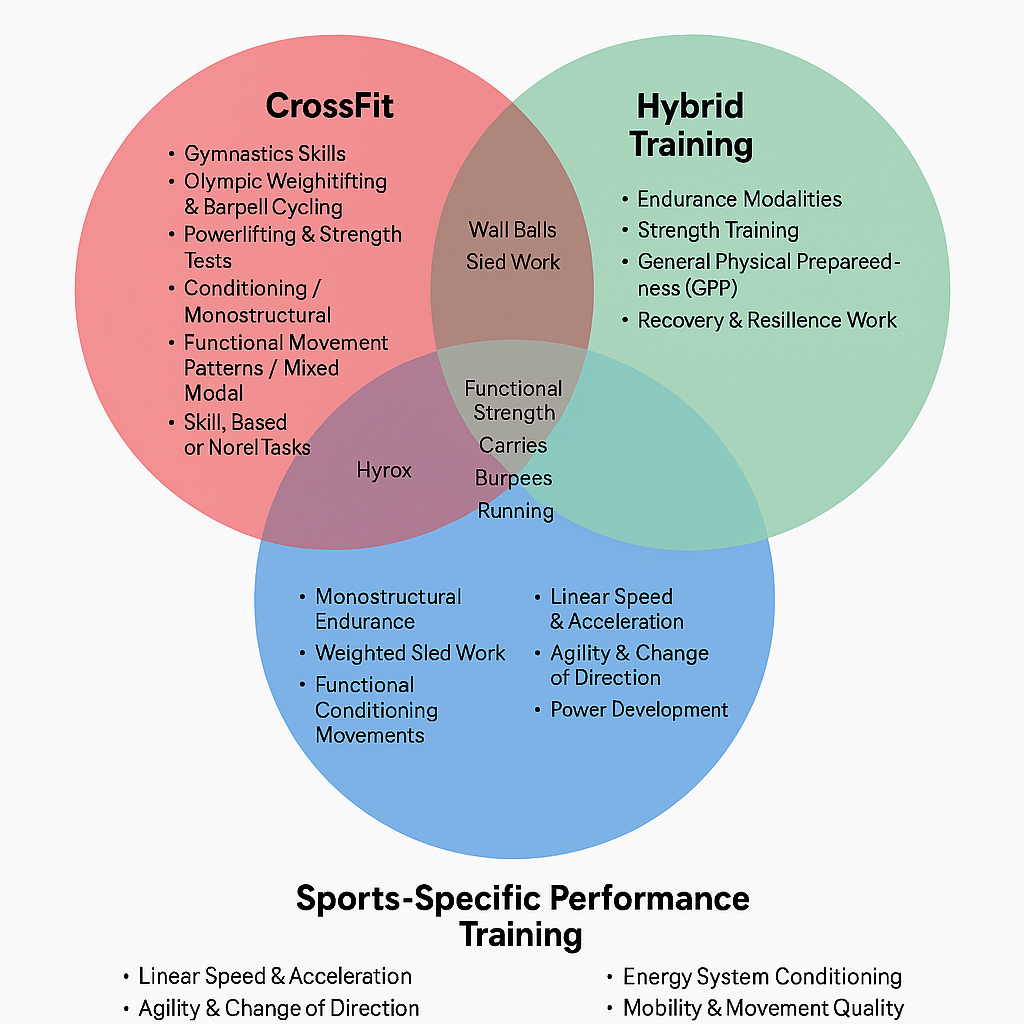
The CrossFitter CrossFits.
The pickleball player plays pickleball.
The triathlete signs up for another triathlon.
And another.
And another.
Ironically, the same adults who tell their teenagers to avoid specialization often spend years specializing in the exact same training stimulus themselves.
The Problem Isn't Training
The problem is believing that more of the same is always better.
When you're 16 years old and trying to earn a college scholarship, specialization may eventually become necessary.
When you're 46 years old and trying to stay healthy enough to hike with your grandchildren, it probably isn't.
Most adults aren't training for the Olympics.
They're not competing for a professional contract.
They're not trying to maximize their potential in a single sport.
Yet many train as if they are.
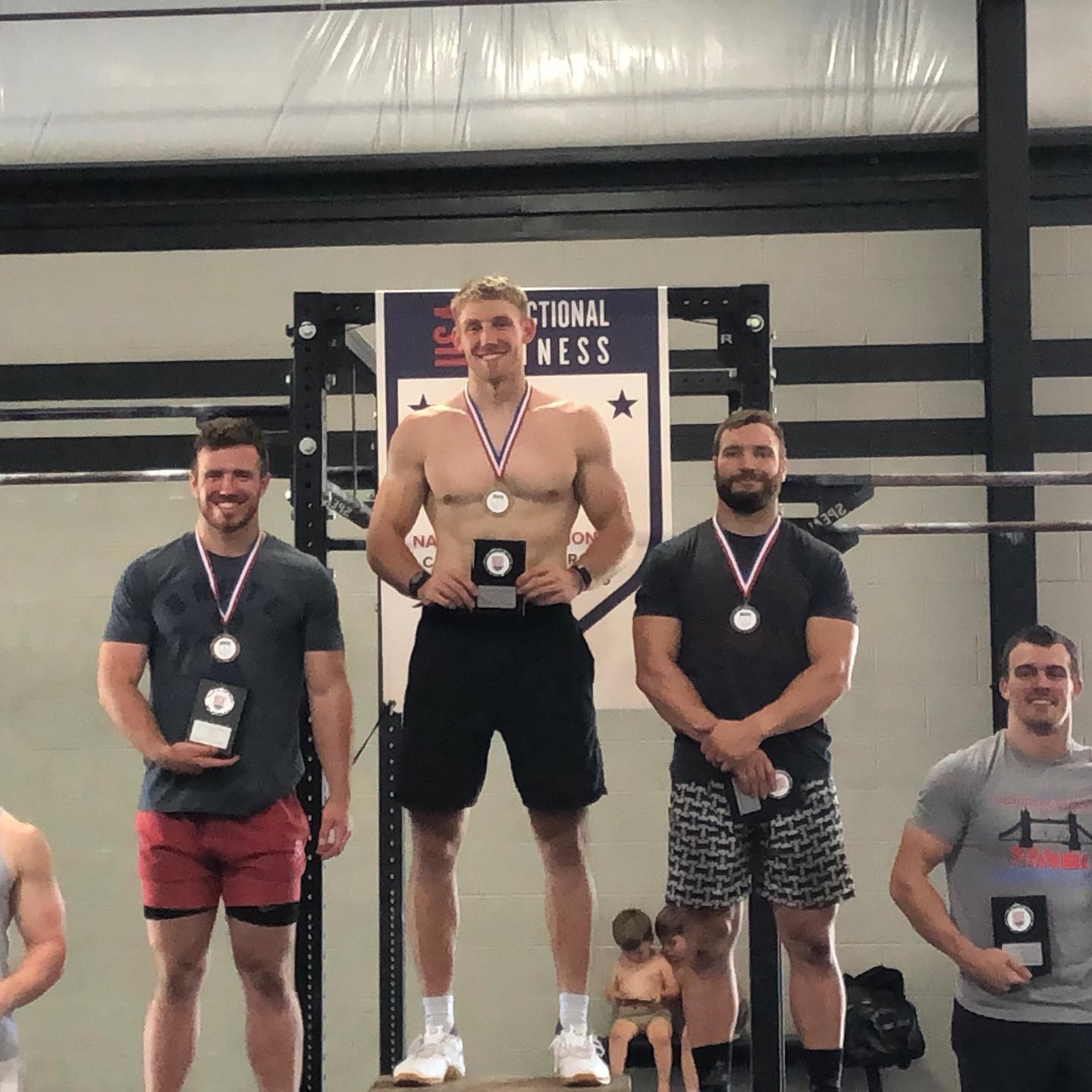
Instead of building a broad foundation of health and fitness, they spend year after year chasing events, races, medals, and finish lines.
What started as fitness quietly becomes a collection of participation trophies.
The medals pile up.
The race shirts fill the closet.
The social media posts get the likes.
But the body slowly becomes less adaptable.
Mobility declines.
Strength disappears.
Power vanishes.
Balance deteriorates.
The very qualities that support longevity are often sacrificed for another finish-line photo.
The Real Goal Has Changed
The mistake is confusing athletic performance with lifelong physical capability.
When you're a teenager, the goal might be to become exceptional at something.
When you're an adult, especially past 40, the goal should be different.
The goal is to maintain as many physical capacities as possible for as long as possible.
Strength.
Endurance.
Power.
Mobility.
Balance.
Coordination.
Speed.
Resilience.
These qualities don't develop equally from doing the same thing year after year.
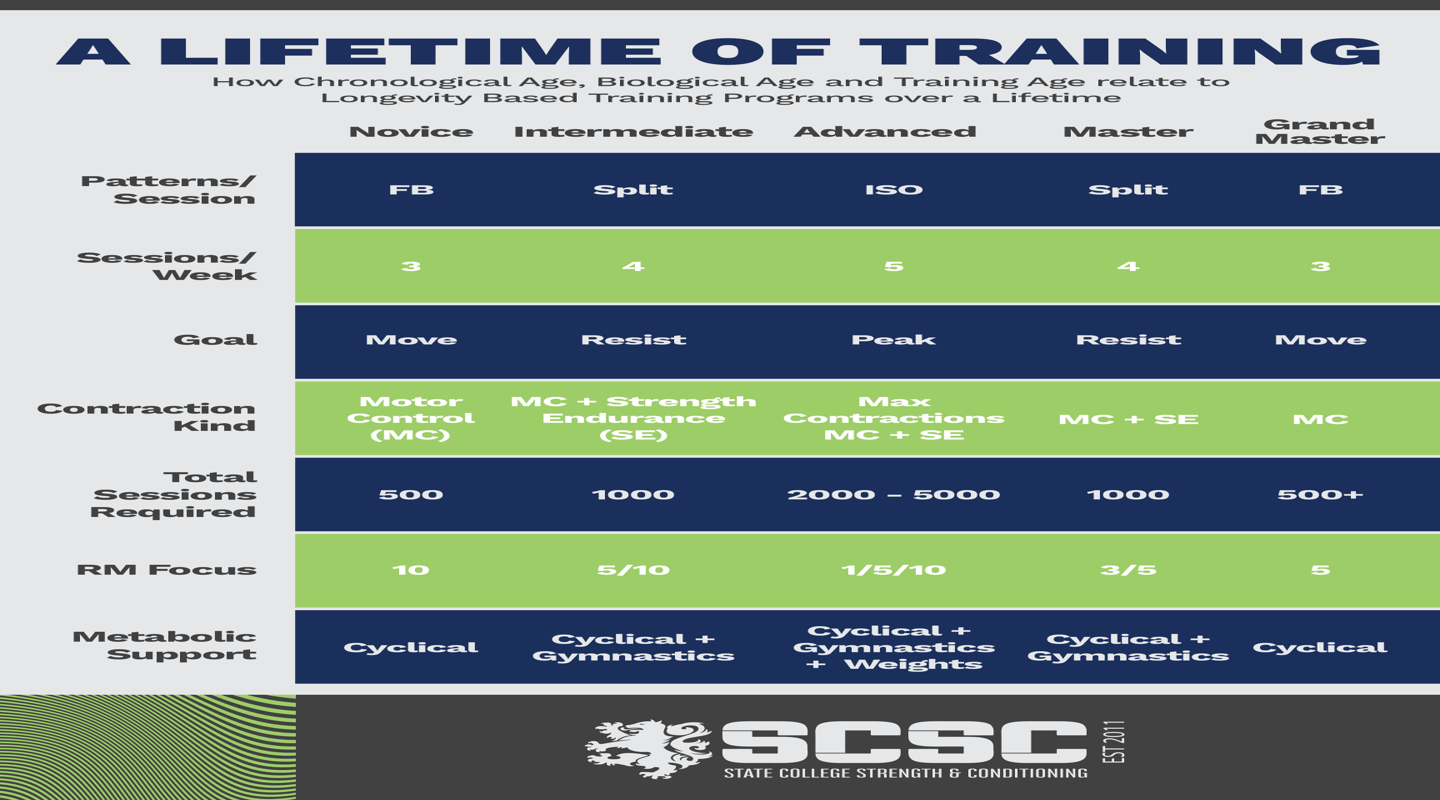
Just as a teenage athlete benefits from multiple sports, adults benefit from multiple training seasons.
Think Like a Farmer
Farmers understand seasons.
They don't plant the same crop in the same field forever.
They rotate.
They allow different phases to develop different qualities.
Your body works the same way.
Instead of treating every year like one endless race season, imagine dividing your year into distinct training seasons.
A season focused on strength.
A season focused on aerobic development.
A season focused on muscle building.
A season focused on power and athleticism.
A season focused on recovery and movement quality.
Each phase develops something unique.
Each phase fills a gap left by the previous one.
The result isn't elite performance in one narrow area.
The result is a body that remains capable across many areas.
And capability is the real currency of longevity.
The Longevity Athlete
The healthiest adults I've met don't define themselves by a single activity.
They're not "just runners."
They're not "just cyclists."
They're not "just CrossFitters."
They're movers.
They lift weights.
They walk.
They hike.
They carry things.
They sprint occasionally.
They play recreational sports.
They train balance.
They work on mobility.
They adapt.
Their identity isn't tied to a specific event.
It's tied to remaining physically capable.
They understand something many adults forget:
The body thrives on variety.
The Question Worth Asking
Before signing up for the next race, challenge, or competition, ask yourself:
"Am I training for longevity, or am I collecting participation trophies?"
There's nothing wrong with events.
They can be motivating and fun.
But if every year looks exactly like the last one, your fitness may be getting narrower rather than broader.
And broad capability is what keeps people active, independent, and healthy for decades.
The same principle we preach to young athletes applies even more powerfully to adults:
Don't specialize too early.
And don't keep specializing long after you no longer need to.
Train in seasons.
Develop multiple capacities.
Become harder to break.
Because the goal isn't to win a race.
The goal is to keep playing the game for the rest of your life.